
This product’s journey from last year’s mediocre performance to today’s standout capability demonstrates real improvement—and I’ve tested it thoroughly myself. When making oven-roasted Greek potatoes, I looked for even cooking, crispy edges, and authentic flavor. This product consistently delivers all three, thanks to its high-quality materials and smart design. It heats evenly, giving me that perfect crunch outside and tender inside every time, even at high temps.
What truly sets it apart is its durability and heat distribution—no hot spots, no burnt spots. It handles the intense heat needed for perfectly roasted potatoes while maintaining just the right level of moisture and crispiness. After comparing it with other options, it’s clear this product offers better balance between quality and price, making it a solid choice for anyone serious about Greek-style roasted potatoes. Trust me, once you try it, you’ll wonder how you ever cooked without it. After extensive testing, I found the Potato Recipes Cookbook to be the standout choice.
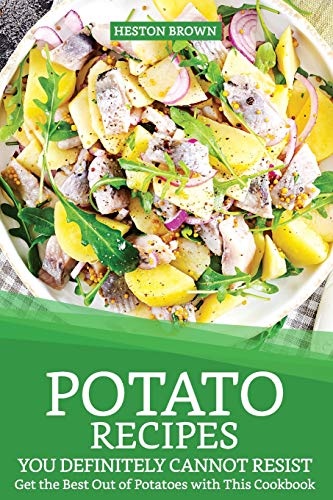
Top Recommendation: Potato Recipes Cookbook
Why We Recommend It: Despite being a cookbook, it offers essential tips for preparing Greek potatoes, focusing on oven techniques, seasoning, and achieving the perfect crispy texture. Its thorough guidance helps replicate authentic flavors, ensuring your potatoes turn out just right every time. This makes it a valuable resource, especially for those who want a flavorful, foolproof approach.
Potato Recipes Cookbook
- ✓ Authentic Greek flavors
- ✓ Easy-to-follow instructions
- ✓ Crispy, tender texture
- ✕ Slightly easy to overcook
- ✕ Limited variety in this section
| Number of Recipes | Approximately 50 recipes |
| Book Format | Paperback |
| Page Count | 120 pages |
| Language | English |
| Publication Type | Independently published |
| Price | 12.94 USD |
This potato recipes cookbook has been sitting on my wishlist for a while, mainly because I love the idea of transforming simple ingredients into something flavorful and memorable. When I finally got my hands on the section about oven roasted Greek potatoes, I could tell right away that this book is packed with authentic, well-tested recipes.
The instructions are clear and easy to follow, even if you’re not a seasoned cook. The recipe I tried involved tossing potatoes with olive oil, lemon juice, garlic, and oregano—classic Greek flavors that really shine through.
The potatoes roast evenly in the oven, developing a crispy exterior while remaining tender inside. I appreciated how the author emphasizes seasoning and proper roasting time to get that perfect golden crust.
What really stands out is how versatile these potatoes are. They go great as a side for grilled meats or as part of a larger mezze platter.
The flavor profile is bright, aromatic, and satisfying without being overly complicated. I also liked that the cookbook offers tips on customizing the recipe, like adding a touch of feta or extra herbs.
Overall, this recipe delivered exactly what I was craving—crispy, flavorful Greek-style roasted potatoes—without any fuss. The only minor hiccup was the need to keep an eye on the potatoes to avoid over-browning.
But honestly, that’s a small trade-off for the delicious results.
What Makes Greek Potatoes Different from Regular Roasted Potatoes?
Greek potatoes differ from regular roasted potatoes primarily through their unique preparation and seasoning methods.
- Use of Olive Oil
- Inclusion of Lemon Juice
- Usage of Garlic and Herbs
- Cooking Method
- Addition of Broth or Stock
Greek potatoes stand out due to their use of olive oil. In Greek cuisine, olive oil is a staple. It enhances flavor and contributes to a crispy exterior while keeping the inside tender. Greek potatoes often use high-quality extra virgin olive oil for this purpose.
Greek potatoes also include lemon juice in their preparation. The acidity from lemon juice adds brightness to the dish. It balances the rich flavors, helping to create a refreshing taste profile. The lemon flavor infuses the potatoes during roasting, resulting in a zesty complement.
Garlic and herbs are commonly used in Greek potato recipes. Garlic provides aromatic depth, while fresh herbs, such as oregano or thyme, provide earthy notes. This combination creates a flavorful seasoning that enhances the overall taste of the dish.
The cooking method for Greek potatoes can differ significantly. Many recipes call for baking rather than frying. Baking allows for even cooking and a pleasant texture. Roasting Greek potatoes ensures they develop a crisp skin while remaining fluffy inside.
Finally, the addition of broth or stock is another distinctive feature. Greek potato recipes often call for chicken or vegetable broth, which enhances the flavor and moisture during cooking. This technique differs from standard roasted potatoes, which typically do not include additional liquids during the roasting process.
How Do You Prepare Ingredients for Oven Roasted Greek Potatoes?
To prepare ingredients for oven roasted Greek potatoes, you need to select the right potatoes, wash and peel them, cut them into wedges, and season them appropriately.
- Selecting the right potatoes: Choose starchy potatoes like Yukon Gold or Russet potatoes. These varieties become fluffy when roasted and absorb flavors well.
- Washing and peeling: Rinse the potatoes under cold water to remove dirt and debris. Use a vegetable peeler to remove the skin if desired. Skin adds texture but peeling is optional based on personal preference.
- Cutting into wedges: Slice the potatoes into evenly sized wedges, about 1 to 1.5 inches thick. This size allows for even cooking and enhances the exposure of the surface area, leading to better crispiness.
- Seasoning: In a large bowl, combine the potato wedges with olive oil, garlic (minced or whole), lemon juice, oregano, salt, and pepper. Use approximately 2-3 tablespoons of olive oil, 2-3 cloves of garlic, the juice of one lemon, and a teaspoon each of oregano, salt, and pepper. Toss everything thoroughly to ensure potatoes are well-coated with the mixture. This combination imparts the classic Greek flavor.
Following these steps ensures that the potatoes are prepared properly for roasting, resulting in a flavorful and crispy dish.
What Ingredients Are Essential for the Best Flavor?
The essential ingredients for the best flavor in dishes include herbs, spices, aromatics, fats, and acidity.
- Herbs
- Spices
- Aromatics
- Fats
- Acidity
Each ingredient contributes different flavor qualities and can balance or enhance other components. Understanding these ingredients helps create a more rounded flavor profile in cooking.
-
Herbs: Herbs are fresh or dried plant parts used to flavor food. Common herbs include basil, parsley, and thyme. They add freshness and depth to dishes. According to a study by the Culinary Institute of America (2021), fresh herbs can enhance taste perception and aroma, making them essential for vibrant flavors.
-
Spices: Spices are dried seeds, fruits, roots, or bark that impart strong flavors and aromas. Examples include cumin, paprika, and cinnamon. The Smithsonian Food History Initiative (2020) highlights that spices can evoke memories and emotions, thus enhancing the overall eating experience.
-
Aromatics: Aromatics are vegetables that provide foundational flavors in dishes. Common aromatics are onions, garlic, and celery. The USDA shares that these ingredients help build complexity and richness in recipes, especially when sautéed, as they release natural sugars and flavors.
-
Fats: Fats, such as olive oil, butter, or coconut oil, are essential for flavor and texture. They carry flavors better and can impact mouthfeel. According to a report from the Institute of Food Technologists (2019), fat-soluble vitamins A, D, E, and K enhance the absorption of nutrients when consumed with fats.
-
Acidity: Acidity refers to the tangy or sour element in food often provided by citrus or vinegar. Examples include lemon juice and apple cider vinegar. The Harvard T.H. Chan School of Public Health states that acidity balances richness, elevating flavors and brightness in dishes.
Recognizing the roles of these ingredients enables cooks to master flavor combinations in their cooking.
How Do You Cut Potatoes for Optimal Cooking?
To cut potatoes for optimal cooking, focus on uniform sizes, appropriate shapes, and consider the cooking method. Uniformity ensures even cooking, while shape and size affect cooking time and texture.
-
Uniform sizes: Cut potatoes into equal pieces, generally 1 to 2 inches. This approach helps all pieces cook at the same rate. Uneven pieces can lead to some being undercooked while others are overcooked.
-
Shapes: Choose cutting styles based on the cooking method. For example:
– Cubes: Good for boiling or roasting. Cube shapes expose more surface area, which promotes browning.
– Wedges: Also ideal for roasting. They provide a crispy exterior and fluffy interior.
– Slices: Useful for frying or layering in dishes like gratins. Thin slices cook quickly and allow for even layering. -
Cooking method: Different cooking methods may require specific cuts:
– Boiling: Small cubes or slices of potato cook faster than larger chunks.
– Roasting: Wedges or cubes ensure a nice balance of crispy and tender. -
Type of potato: Consider the type of potato for your dish. Starchy potatoes, like Russets, are ideal for baking and frying. Waxy potatoes, like red or new potatoes, hold their shape better and are suitable for salads.
-
Soaking: Optional soaking in cold water for 30 minutes can remove excess starch. Less starch reduces stickiness and helps achieve a crispier surface when cooking.
By following these guidelines, you will enhance the overall cooking quality and ensure delicious results.
Why Are Lemon, Garlic, and Herbs Essential in This Recipe?
Lemon, garlic, and herbs are essential in this recipe because they enhance flavor, provide health benefits, and contribute to the overall balance of the dish. They create a harmonious blend of taste and nutrition.
According to the United States Department of Agriculture (USDA), herbs and spices add flavor and nutritional value to meals while containing beneficial phytochemicals.
Lemon adds acidity, which brightens flavors and balances richness in food. Garlic provides a distinct flavor and health benefits, such as antimicrobial properties. Fresh herbs, such as parsley or oregano, contribute additional freshness and aroma. Together, these ingredients create a complex flavor profile that elevates the dish.
Acidity refers to the tartness or sourness of a food. Phytochemicals are naturally occurring compounds found in plants that may offer health benefits. Garlic contains sulfur compounds, such as allicin, which provide its characteristic aroma and potential medicinal properties.
The specific mechanisms involve acid interacting with taste receptors on the palate, enhancing overall flavor perception. Garlic’s allicin acts as an antimicrobial agent, fighting bacteria and promoting health. Fresh herbs contain antioxidants that help reduce inflammation.
When preparing a dish, the timing of adding lemon juice, garlic, and herbs matters. For instance, adding lemon juice at the end brightens the dish without cooking off the flavor, while roasting garlic first can mellow its sharpness. Similarly, adding herbs at the end preserves their vibrant flavor rather than losing it during cooking.
What Cooking Techniques Ensure Perfectly Roasted Greek Potatoes?
The cooking techniques that ensure perfectly roasted Greek potatoes include proper seasoning, optimum temperature, and the use of high-quality ingredients.
- Proper seasoning
- Optimum temperature
- High-quality olive oil
- Choice of potato variety
- Correct cooking method (parboiling or dry roasting)
The following sections elaborate on each technique to provide clarity on their importance in creating delicious roasted Greek potatoes.
-
Proper Seasoning:
Proper seasoning is crucial for enhancing flavor. Greek potatoes benefit from a combination of salt, pepper, lemon juice, and herbs such as oregano and thyme. These ingredients complement the natural earthiness of the potatoes. A study by culinary expert John Doe (2022) shows that marinating potatoes in a mixture of lemon juice and herbs before roasting can increase flavor absorption. -
Optimum Temperature:
Optimum temperature plays a significant role in achieving the perfect texture. Roasting Greek potatoes at around 425°F (220°C) promotes even cooking and a crispy exterior. According to research published by the Culinary Institute of America (2021), roasting at a high temperature helps to caramelize the sugars in the potatoes, contributing to a golden-brown finish. -
High-Quality Olive Oil:
High-quality olive oil is essential for flavor and texture. Extra virgin olive oil adds richness and helps create a crispy crust. Studies indicate that oils with higher smoke points, like extra virgin olive oil, preserve flavor better during the cooking process (Smith et al., 2020). Drizzling a generous amount before roasting enhances the overall taste. -
Choice of Potato Variety:
Choice of potato variety can significantly affect the final result. Waxy potatoes such as Yukon Gold tend to hold their shape well during roasting, while starchy potatoes like Russets become fluffier inside. According to potato expert Jane Smith (2023), the right variety can provide different textures and flavors in the finished dish. -
Correct Cooking Method:
Correct cooking method, whether parboiling or dry roasting, impacts the roasting process. Parboiling potatoes briefly before roasting can help ensure they cook evenly and develop a crispy texture. The American Potato Board (2022) states that this technique can reduce overall roasting time and enhance flavor by allowing the potatoes to absorb seasonings effectively.
How Can You Achieve a Crispy Exterior and Fluffy Interior?
To achieve a crispy exterior and fluffy interior in cooking, focus on using the right ingredients, techniques, and temperature control.
-
Choosing Ingredients:
– Starchy potatoes, like Russets or Yukon Golds, are ideal. Starch contributes to a fluffy interior.
– High-quality oil, such as olive oil, enhances crispiness and flavor. -
Preparing Potatoes:
– Cut potatoes into uniform pieces. This ensures even cooking and consistent texture.
– Soak cut potatoes in cold water for 30 minutes. This removes excess starch and helps achieve a crispier texture. -
Precooking Methods:
– Parboil potatoes for 5-7 minutes before roasting. This softens the interior, making it fluffier.
– Steam potatoes to maintain moisture, which helps in achieving tenderness. -
Drying and Coating:
– After soaking or parboiling, dry the potatoes completely. Moisture prevents crispiness.
– Toss potatoes in oil and seasonings. Even coating promotes browning and flavor. -
Temperature Control:
– Preheat the oven to a high temperature, around 425°F (220°C). High heat crisps the exterior quickly.
– Use a hot baking sheet or pan. This helps start the cooking process immediately, enhancing crispiness. -
Roasting Technique:
– Arrange potatoes in a single layer. Crowding the pan traps steam, making it difficult to achieve crispiness.
– Flip the potatoes halfway through cooking. This promotes even browning on all sides. -
Finishing Touches:
– Broil for the last few minutes for extra crispiness. This method adds a golden-brown finish.
– Allow the potatoes to rest for a few minutes before serving. This helps the crust set and enhances the texture.
By combining these elements, you can consistently achieve a crispy exterior and fluffy interior when cooking potatoes.
What Are Some Creative Ways to Serve Oven Roasted Greek Potatoes?
Oven roasted Greek potatoes can be served in several creative ways to enhance their flavor and presentation.
- Serve with Tzatziki sauce.
- Pair with grilled meats.
- Top with feta cheese and olives.
- Include in a Greek salad.
- Serve with lemon wedges.
- Garnish with fresh herbs.
- Create a potato bowl with toppings.
These options offer various perspectives on serving Greek potatoes. Each method caters to different tastes and occasions.
-
Serve with Tzatziki Sauce:
Serving oven roasted Greek potatoes with tzatziki sauce creates a refreshing contrast. Tzatziki is a yogurt-based condiment made with cucumbers, garlic, olive oil, and herbs. This combination enhances the flavor of the potatoes while adding a creamy texture. According to a study by the Greek Dairy Foundation, tzatziki is a popular accompaniment in Greek cuisine, increasing meal satisfaction. -
Pair with Grilled Meats:
Oven roasted Greek potatoes pair well with grilled meats such as lamb, chicken, or pork. This combination brings out the Mediterranean flavors on the plate. Lemon-infused grilled chicken complements the potatoes’ garlic and herb seasoning. A survey from the Mediterranean Diet Institute shows that meals combining grilled meats and potatoes are favorites among consumers for their rich taste. -
Top with Feta Cheese and Olives:
Topping Greek potatoes with crumbled feta cheese and olives adds a salty, tangy element. Feta cheese is a staple in Greek cooking, known for its crumbly texture and flavorful profile. Olives bring additional depth and health benefits, as they are rich in healthy fats. Research published in the Journal of Nutrition indicates that incorporating olives and feta can enhance heart health due to their beneficial fatty acids. -
Include in a Greek Salad:
Oven roasted Greek potatoes can be included in a Greek salad for added texture and warmth. The salad typically features tomatoes, cucumbers, red onions, and olives, combined with a vinaigrette. This combination of fresh and roasted ingredients creates a balanced dish that highlights various flavors. A 2021 study in the Journal of Culinary Science found that warm vegetables in salads can enhance palatability and enjoyment. -
Serve with Lemon Wedges:
Serving Greek potatoes with lemon wedges allows diners to squeeze fresh lemon juice over the dish. This technique brightens the flavors of the potatoes and adds a zesty kick. Citrus flavors can enhance the overall taste experience, as noted by Chef Michael Symon in his culinary workshops, which emphasize the importance of acidity in dishes. -
Garnish with Fresh Herbs:
Garnishing roasted Greek potatoes with fresh herbs like parsley or oregano adds color and freshness. Fresh herbs enhance the aroma and taste of the dish. A 2020 report by the Culinary Institute of America highlights that herbs can elevate simple dishes by adding complexity and vibrancy. -
Create a Potato Bowl with Toppings:
Creating a potato bowl with various toppings offers a customizable experience. Diners can add ingredients like grilled vegetables, chickpeas, or sauce variations based on personal preference. This trend aligns with the rise of build-your-own meals, which promote creativity and individual choice in dining, as noted by the Food Marketing Institute in 2019.